Semporna, Sabah
🪸 Mabul Island
The World’s Premier Muck Diving Destination
Mabul Island is globally recognized as the undisputed “Muck Diving” capital of the world. For enthusiasts diving Mabul, the experience is the perfect counterpoint to its deep-water neighbor, Sipadan. Located just 15 minutes away, while Sipadan is famous for big pelagics, Mabul is the legendary home of the “small stuff.”
This unique island offers a combination of shallow reefs, sandy slopes, and thriving artificial structures that act as a treasure trove for rare, exotic, and bizarre marine life. With its calm conditions and accessible depth, diving Mabul provides a relaxed yet fascinating underwater adventure, making it the ideal playground for underwater photographers, beginners, and experienced divers alike.
Experience the unique thrill of diving Mabul and discover why it is Semporna’s top destination for relaxed, critter-rich adventures. From beginner-friendly shallow reefs to world-class macro encounters, diving Mabul is the perfect way to start or elevate your underwater journey. Secure your spot and book your diving Mabul experience today.
📍 Location & Accessibility
- Distance from Semporna: Approximately 45–60 minutes by speedboat.
- Proximity to Sipadan: Around 15 minutes by boat.
- Sea Conditions: Very calm, protected by a large surrounding reef flat.
- Typical Visibility: 5–15 meters. The nutrient-rich water supports abundant marine life.
- Water Temperature: 27–30°C.
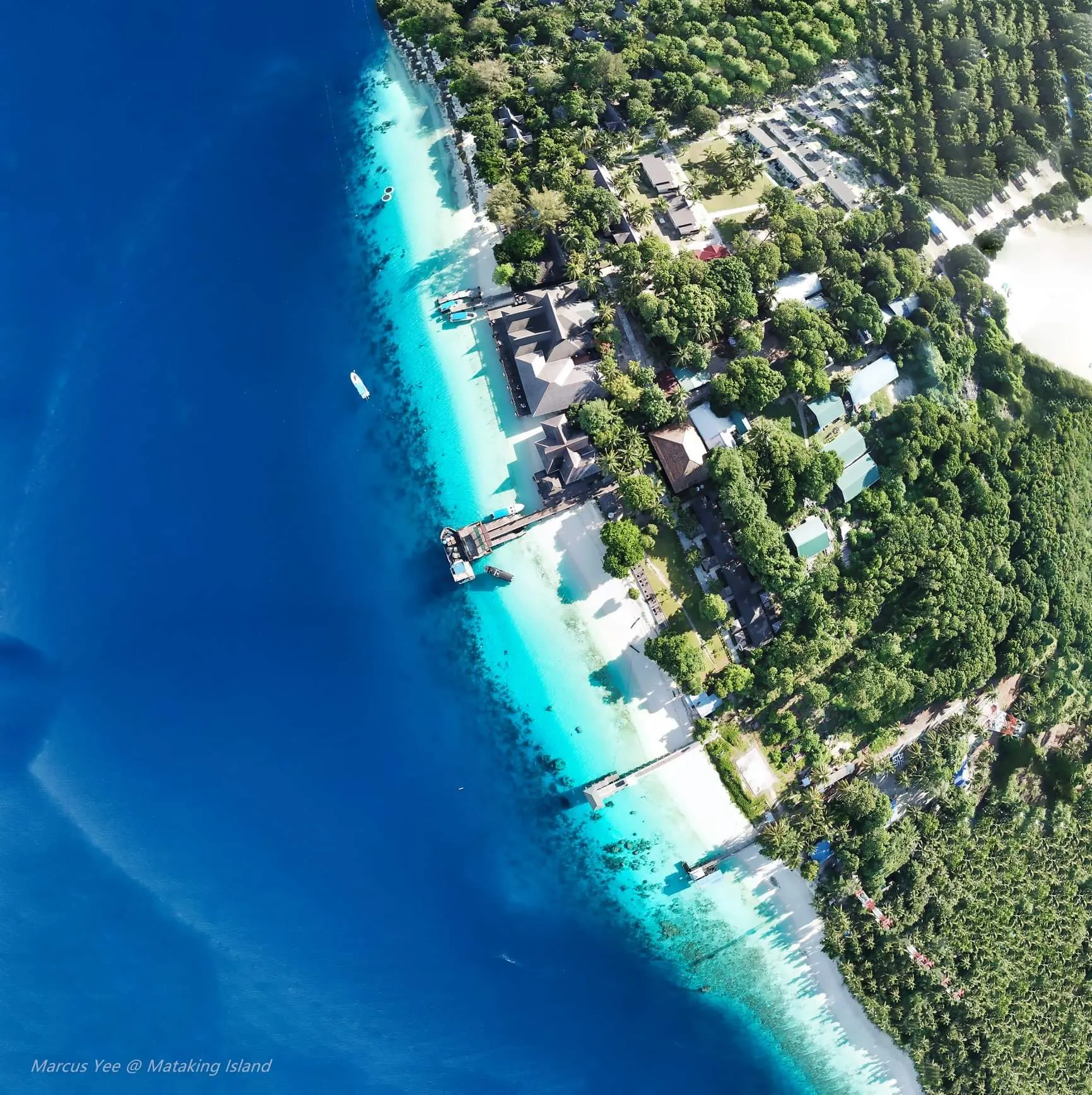
Mabul Island is an oval-shaped island surrounded by sandy slopes and a variety of artificial reefs. It is the most popular base for divers accessing Sipadan, while also offering relaxed and rewarding afternoon dives close to the island.
🧭 Why TDB Semporna Dives Mabul
Mabul Island is a core part of almost every TDB itinerary, as it offers both reliability
and variety for divers.
- Logistical Hub: Mabul serves as the primary gateway to Sipadan.
- Photographer’s Dream: The slow-paced diving and shallow depths make
Mabul ideal for underwater photography. - Training Ground: Sandy bottoms and artificial structures create a safe,
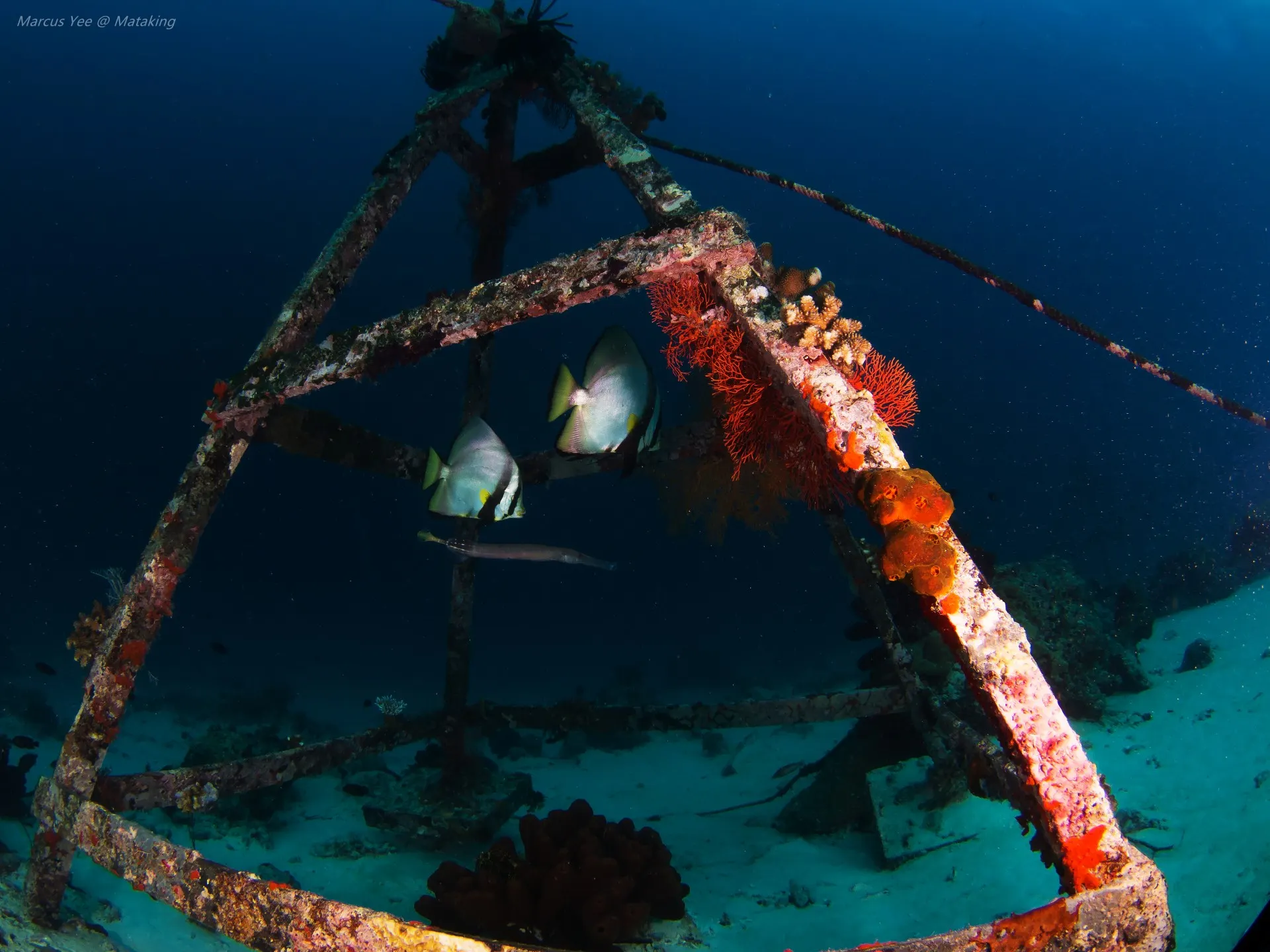
controlled environment for practicing skills without impacting natural coral reefs. - Artificial Reefs: Mabul is well known for its house reefs, featuring
sunken boats, cages, and purpose-built structures that attract a high concentration of
marine life.
📅 Best Time to Dive Mabul Island
Mabul is open year-round.
-
April to November: Best conditions with calmer seas.
-
Macro Season: There is no specific “season” for macro life; the critters are present all year.
-
Turtle Season: Green Turtles are permanent residents here and can be seen on almost every dive, grazing in the shallows.
🐠 Marine Life & Underwater Highlights
Mabul Island is a true macro paradise. Rather than scanning the blue,
divers focus closely on the reef and sandy bottom, where fascinating marine life hides in
plain sight.
- The Rare Critters: Expect encounters with flamboyant cuttlefish, blue-ringed octopus, mimic octopus, and various species of frogfish, including giant, painted, and clown frogfish.
- Crustaceans: The reefs are rich in harlequin shrimp, orangutan crabs, and mantis shrimp.
- The Giants: Despite its macro focus, Mabul supports a large population of green turtles and hawksbill turtles, often seen resting on artificial reef structures.
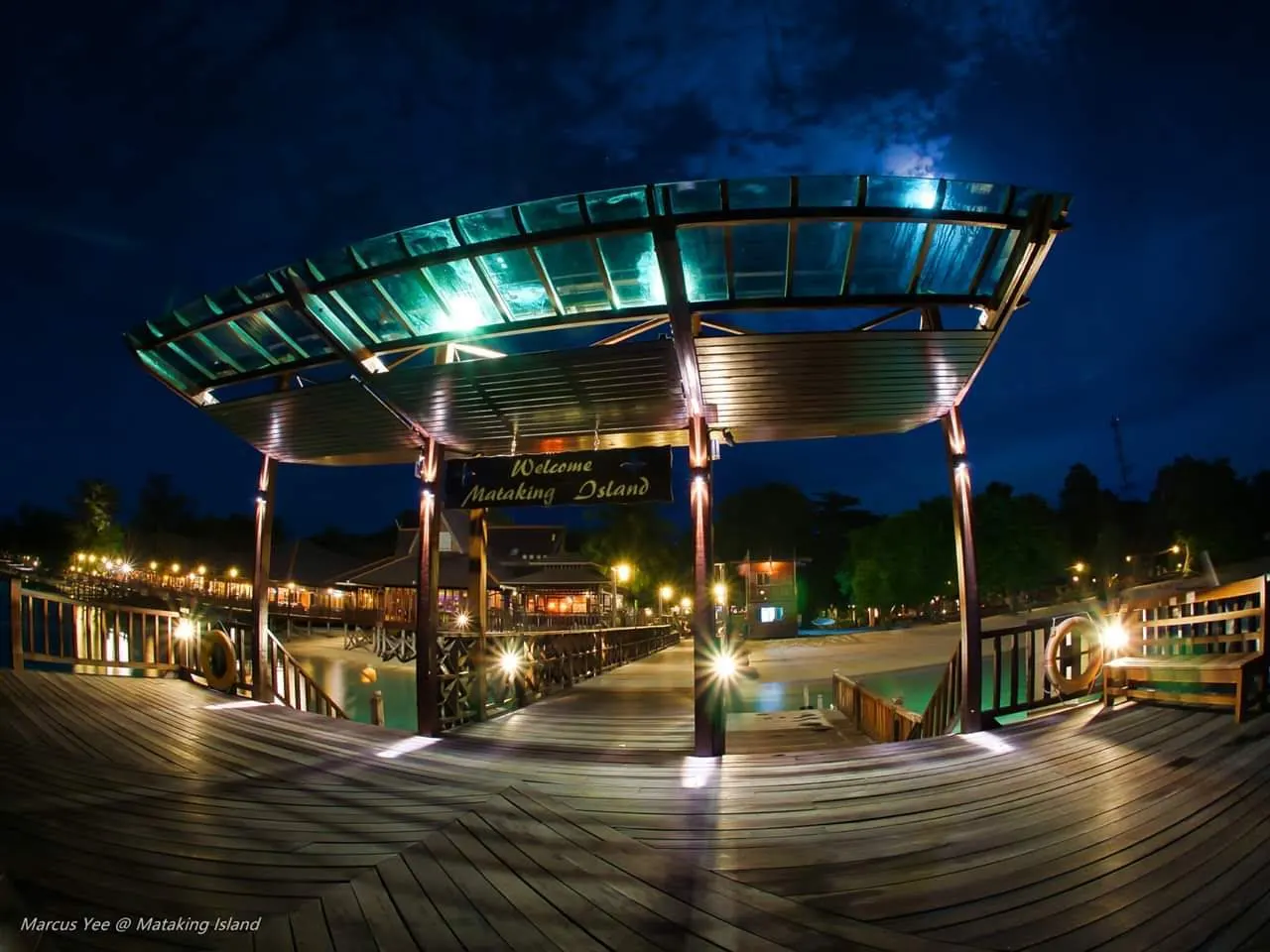
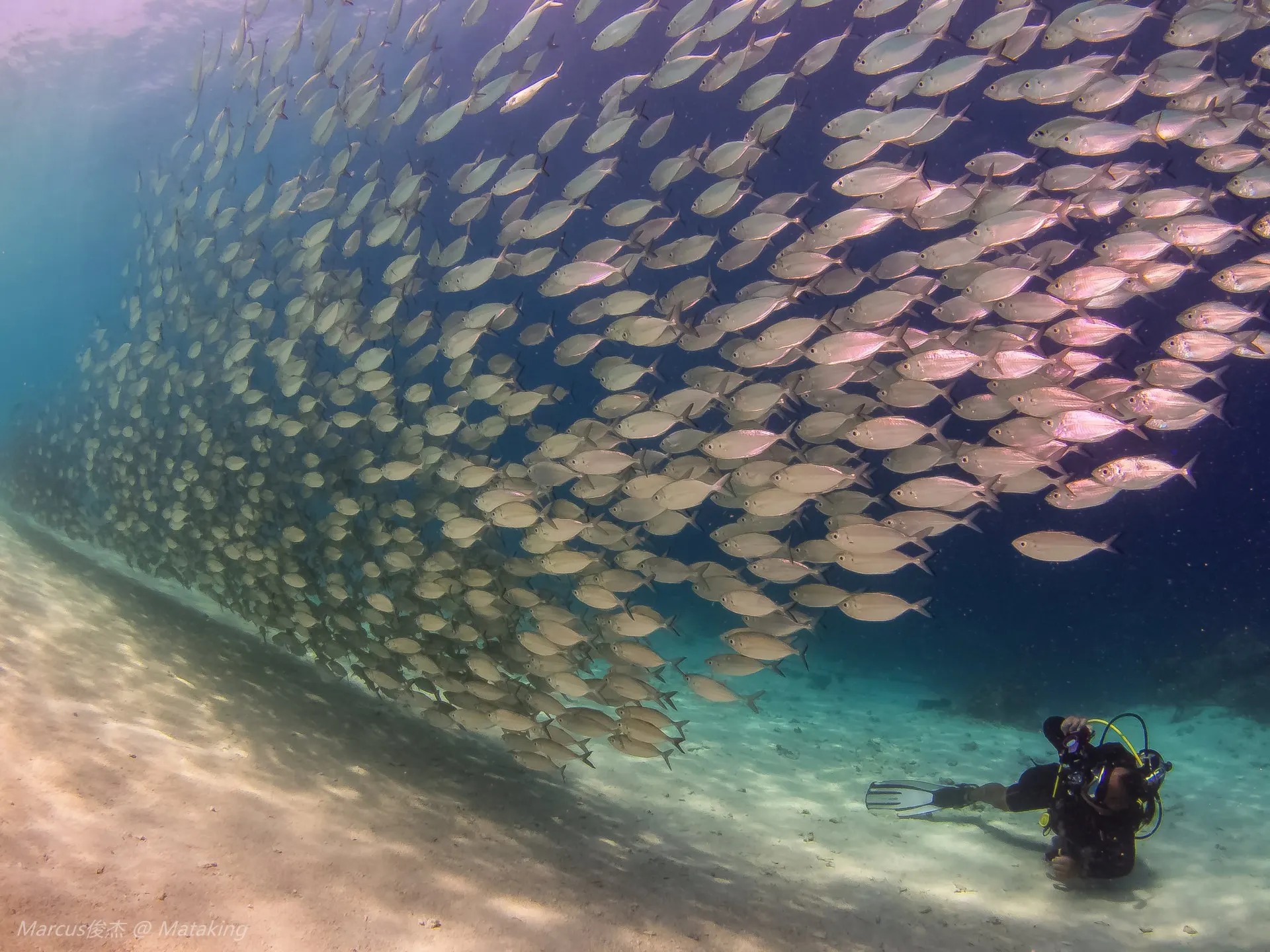
- Schools: Large schools of jackfish and barracuda frequently gather beneath the jetties of the water resorts.
🤿 Diving Conditions at Mabul Island
Mabul dive sites feature:
- Sandy slopes and silty bottoms, ideal for classic muck diving.
- Extensive artificial reefs, including sunken boats, cages, and rig structures.
- Shallow depths with generally calm water conditions.
These conditions make scuba diving at Mabul Island particularly suitable for:
- Macro Underwater Photography: Excellent stability for detailed close-up shots.
- Night Diving: When rare critters and crustaceans become highly active.
- PADI Specialty Courses: Especially Peak Performance Buoyancy and Underwater Naturalist.
- Relaxed “Treasure Hunt” Fun Dives: Ideal for certified divers who enjoy slow-paced exploration.
At TDB Semporna, Mabul is our primary destination for divers seeking rare marine life and long, relaxed dives in a calm and controlled environment.
🎓 Courses & Activities Suitable at Mabul Island
Mabul is the “classroom” of Semporna.
-
PADI Open Water Diver Course: The perfect place for open water training dives 1-4.
-
PADI Peak Performance Buoyancy: Great for practicing hovering over sandy bottoms.
-
PADI Digital Underwater Photographer: The best place to learn lighting and macro composition.
-
Snorkeling: Snorkelers can see turtles and colorful reef fish right off the resort jetties.
✅ Summary: Is Mabul Island Worth Diving?
✅ World’s Best Muck Diving
✅ Incredible Artificial Reefs
✅ Guaranteed Turtle Sightings
✅ Long, Relaxed Dives
✅ Paradise for Photographers
If you love searching for hidden treasures and seeing creatures you can’t find anywhere else, Mabul is a must-visit. It is the perfect complement to the high-energy diving of Sipadan—offering a relaxed, fascinating exploration of the ocean’s weirdest and most wonderful inhabitants.
🌍 Famous Dive Sites at Mabul Island
No, Kapalai is technically a sandbar situated on the Ligitan Reefs. There is no natural land above sea level at high tide. The island experience comes from the iconic water village built on stilts. This unique geography makes Diving Semporna at Kapalai a one-of-a-kind experience, as you are diving on a submerged reef plateau in the middle of the Celebes Sea.
Mabul is a photographer’s paradise for two reasons: the subjects and the conditions. The sheer density of rare macro subjects is unmatched. Furthermore, the calm water and lack of strong currents make it easy to stabilize yourself for the perfect close-up or super-macro shot.
Mabul is a year-round diving destination. It does not have a distinct monsoon season that closes operations. However, the absolute best surface conditions with the flattest seas are generally from April to October. Marine life sightings remain consistent throughout the year.
Yes, Mabul is excellent for snorkeling. The reefs are very shallow close to shore, and the areas around the resort jetties are teeming with fish. Snorkelers can easily spot turtles and colorful reef fish right from the surface in calm, clear water.
No. While famous for macro, Mabul also has a massive population of Green and Hawksbill Turtles. You are almost guaranteed to see them resting on the reef or swimming near the jetties. You will also see large schools of Jackfish, Snappers, and Giant Groupers hanging around the artificial reefs.
Absolutely. Mabul is one of the best places to learn to dive. The sites are generally shallow (mostly under 18m), the currents are usually very mild, and there are plenty of sandy patches to practice skills without damaging coral. It is the ideal classroom for PADI Open Water courses.
Yes. Unlike Sipadan, Mabul is inhabited and has a wide range of accommodation options, from budget backpacker lodges and homestays on the island to luxurious water-bungalow resorts built over the sea.
Yes. Since staying overnight on Sipadan is prohibited, Mabul is the most popular base for divers wanting to visit Sipadan. It is located just a 15–20 minute boat ride away. Most resorts and dive centers on Mabul offer combined packages that include diving around Mabul with a day trip to Sipadan (subject to permit availability).
Muck diving involves exploring sandy bottoms, silt, or coral rubble rather than pristine coral gardens. It may sound unappealing, but it is like an underwater treasure hunt. This environment is where you find exotic species such as Flamboyant Cuttlefish, Blue-Ringed Octopus, Mimic Octopus, Ghost Pipefish, and countless unique Nudibranchs that you will not see on conventional reefs.
Mabul is globally renowned as one of the world’s premier destinations for Muck Diving. Unlike Sipadan’s focus on big fish and walls, Mabul is famous for its incredible biodiversity of small, rare, and bizarre macro critters found on sandy slopes, shallow reefs, and artificial structures.