Semporna, Sabah
💎 Si Amil Island
The Forgotten WW2 Frontier & Devil Ray Sanctuary.
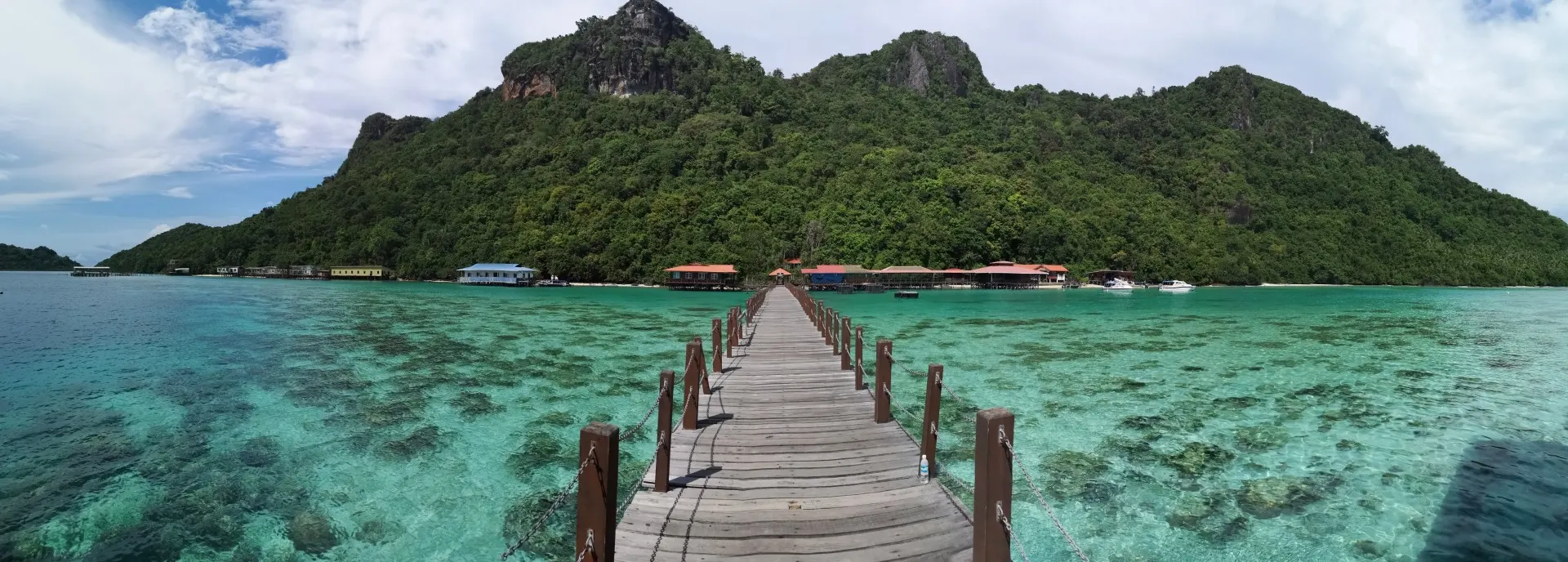
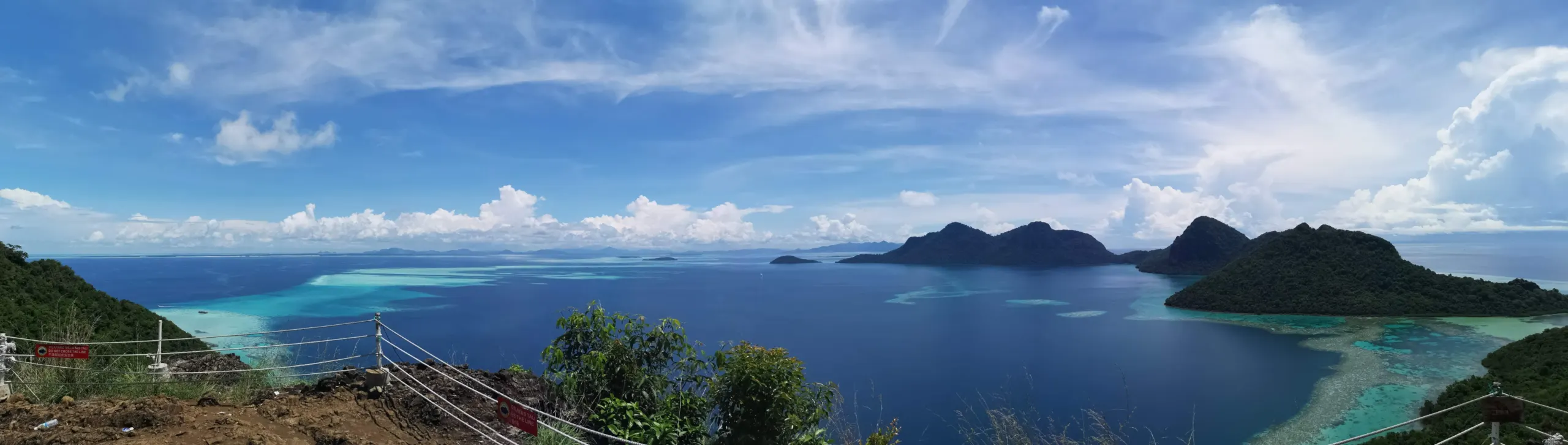
Si Amil Island is widely considered the best-kept secret in the archipelago. Located roughly an hour from town near Danawan Island, this quiet, lesser-visited gem offers a pristine and uncrowded alternative for those diving in Semporna. Unlike the busy waters of Mabul or Kapalai, Si Amil delivers a raw sense of exploration with low visitor traffic and crystal-clear waters.
Its tranquility, however, disguises a thrilling underwater environment. Si Amil is the only island in the region that combines World War II history, submerged wrecks, and high-voltage pelagic action. Known among local divemasters as the “Mini Sipadan,” the island features deep water and healthy coral reefs that attract schooling Devil Rays (Mobulas), making it the ultimate destination for divers seeking adventure away from the crowds.
Join TDB Semporna to venture out to Si Amil Island for a more adventurous side of Diving Semporna. Enjoy guided boat journeys to remote reefs, explore vibrant coral slopes, and experience uncrowded snorkeling and diving in clear, open waters. Every Si Amil Island trip is carefully planned for safety and comfort, delivering an authentic offshore island experience for divers seeking action, space, and discovery beyond the usual routes.
📍 Location & Accessibility
-
Distance from Semporna: ~60 minutes by speedboat (South Route).
-
Proximity: Located right next to Danawan Island (they are sister islands).
-
Vibe: Wild, uninhabited, and rugged.
-
Topography: A steeper island surrounded by deep water drop-offs and sunken structures.
-
History: The island served as a Japanese base during WWII; remnants of a jetty and rusted boilers can still be seen on the beach.
🧭 Why TDB Semporna Visits Si Amil Island
We take divers to Si Amil when they want to escape the crowds and see something different.
-
The “Devil Ray” Season: This is one of the few places in Semporna where you can reliably see schools of Mobula Rays (Devil Rays) gliding in formation.
-
The Wrecks: Unlike the artificial reef cubes at Mabul, Si Amil has real metal wrecks (old merchant and fishing vessels) that have been completely reclaimed by the ocean.
-
Zero Crowds: It is rare to encounter other dive boats here. Most of the time, you have the entire reef to yourself.
📅 Best Time to Dive Si Amil Island
Because Si Amil is located further south in the open Celebes Sea (approximately 1 hour from Semporna),
sea conditions play a bigger role here than at the sheltered inner islands.
-
April to September (Dry Season): This is the safest and best time to visit Si Amil.
Seas are generally flat, making the longer boat ride comfortable. Visibility is at its peak
(often 25m–30m+), which is crucial for spotting schooling Mobula Rays in the deep blue. -
The “Devil Ray” Factor: While Mobula Rays can be seen year-round, sightings are often
best when currents are stronger (typically around the full moon or new moon). These currents
bring plankton blooms that attract the rays. -
December to February (Monsoon Season): We recommend checking weather forecasts carefully
during these months. Because the island is more exposed, strong winds can create rough surface
conditions. If conditions are unsafe, TDB captains may divert the trip to closer islands such
as Mabul for safety reasons.
Pro Tip: If you are prone to seasickness, this is the one trip where we recommend taking
medication beforehand, as open-ocean conditions can occasionally be choppy.
🐠 Marine Life & Underwater Highlights
Si Amil is a mix of “Big Stuff” and “Weird Stuff.”
-
Mobula Rays: These mini-mantas are the stars of Si Amil and are often seen schooling in the currents around the island’s points.
-
Bamboo Sharks: The reefs here are famous for Coral Cat Sharks and Bamboo Sharks, commonly found resting under table corals.
-
Rainbow Runners: Huge schools of Rainbow Runners and Trevally patrol the wrecks, creating shimmering walls of silver.
-
Nudibranchs: On the wreck structures themselves, macro photographers can find rare, colorful sea slugs feeding on hydroids.
-
Sea Snakes: Like Timba Timba, Si Amil has a healthy population of Banded Sea Kraits.
🤿 Diving Conditions at Si Amil Island
Si Amil is more exposed than the inner islands, offering a more adventurous profile:
-
Depth: 15m – 30m+ (Deep water is accessible close to shore).
-
Currents: Moderate to Strong. The currents hitting the island bring the plankton that Devil Rays feed on.
-
Visibility: Variable (10m – 20m). Conditions range from crystal clear to slightly green due to plankton blooms, which support abundant marine life.
-
Wreck Dives: Wrecks sit at varying depths, with some suitable for Open Water divers and others better explored by Advanced divers.
🎓 Courses & Experience Level at Si Amil
Si Amil is best suited for divers with a bit of experience.
-
PADI Advanced Open Water: Ideally, you should be an Advanced diver to fully enjoy the wrecks and handle the potential currents.
-
Wreck Diver Specialty: A fantastic location to map a wreck or practice reel usage without the danger of deep penetration.
-
Drift Diving: You must be comfortable drifting with the current and performing a negative entry if required.
✅ Summary: Is Si Amil Island Worth Diving?
✅ Best Place to See Schooling Devil Rays (Mobulas)
✅ Real Wreck Diving (Not Just Artificial Cubes)
✅ Historical WW2 Atmosphere
✅ A Private, “Off-The-Beaten-Path” Experience
If you have already dived Mabul and Kapalai and didn’t get a Sipadan permit, Si Amil Island is the next best adrenaline fix. It offers the thrill of the open ocean and the mystery of sunken history.
🌍 Famous Dive Sites at Si Amil Island
Yes. While it is remote, the area is patrolled by Malaysian security forces (ESSCOM), just like Sipadan and Mabul. Our captains are experienced in navigating the open waters to ensure a safe and smooth journey.
Because it is far and requires more fuel! Many budget Dive Center stick to the close islands (Mabul/Kapalai). TDB Semporna offers trips to Si Amil for divers who want to escape the “tourist circuit” and see something unique.
Yes! But usually different ones than Sipadan. While you might see Grey Reef Sharks in the blue, Si Amil is most famous for Bamboo Sharks and Coral Cat Sharks. These are bottom-dwelling sharks that hide under the coral. They are very cute and harmless to divers.
You can, but it is primarily a diving destination. The reefs start a bit deeper than at Mataking or Timba Timba, and the surface can be choppier. Snorkelers might find it less colorful than the shallow gardens of Sibuan, though the “Bamboo Garden” site is shallow enough for snorkeling.
No. Si Amil is wild and uninhabited (except for a few transient fishermen). There are no toilets, restaurants, or jetties. We treat it as an expedition trip—we bring everything we need (food, water, emergency kits) on the boat.
They are present year-round, but sightings are unpredictable. They are wild, pelagic animals that follow the plankton currents. Your best chance to see them is when there is a bit of current running at “Jeffrey’s Point.”
Si Amil is one of the furthest islands we visit. It takes approximately 60 minutes by speedboat from Semporna Jetty. Because of the distance, we usually leave earlier in the morning (around 8:00 AM) to maximize our time there.
Locals call Si Amil “Mini Sipadan.” Like Sipadan, it has deep water, pelagic fish (Rays/Tuna), and strong currents. The main difference is that Si Amil does not require a permit, has zero crowds, and features muck/macro life on the wrecks that Sipadan lacks.
Yes. Unlike the “artificial” wooden boats sunk at Mabul for tourism, the wrecks at Si Amil are authentic World War II relics. They are the remains of Japanese merchant vessels. While they are broken down and encrusted with coral, you are diving on a piece of history, not a prop.
Honest answer: It is better for Advanced divers. Si Amil is an open-ocean island with deeper sites (20m+) and often moderate-to-strong currents. While Open Water divers can dive here, they must be comfortable with drift diving and deep water entries. We highly recommend having your PADI Advanced Open Water license to fully enjoy the wrecks and deep walls.