Semporna, Sabah
🏖️ Sibuan Island
The Paradise Sandbar & Secret Muck Diving Gem.
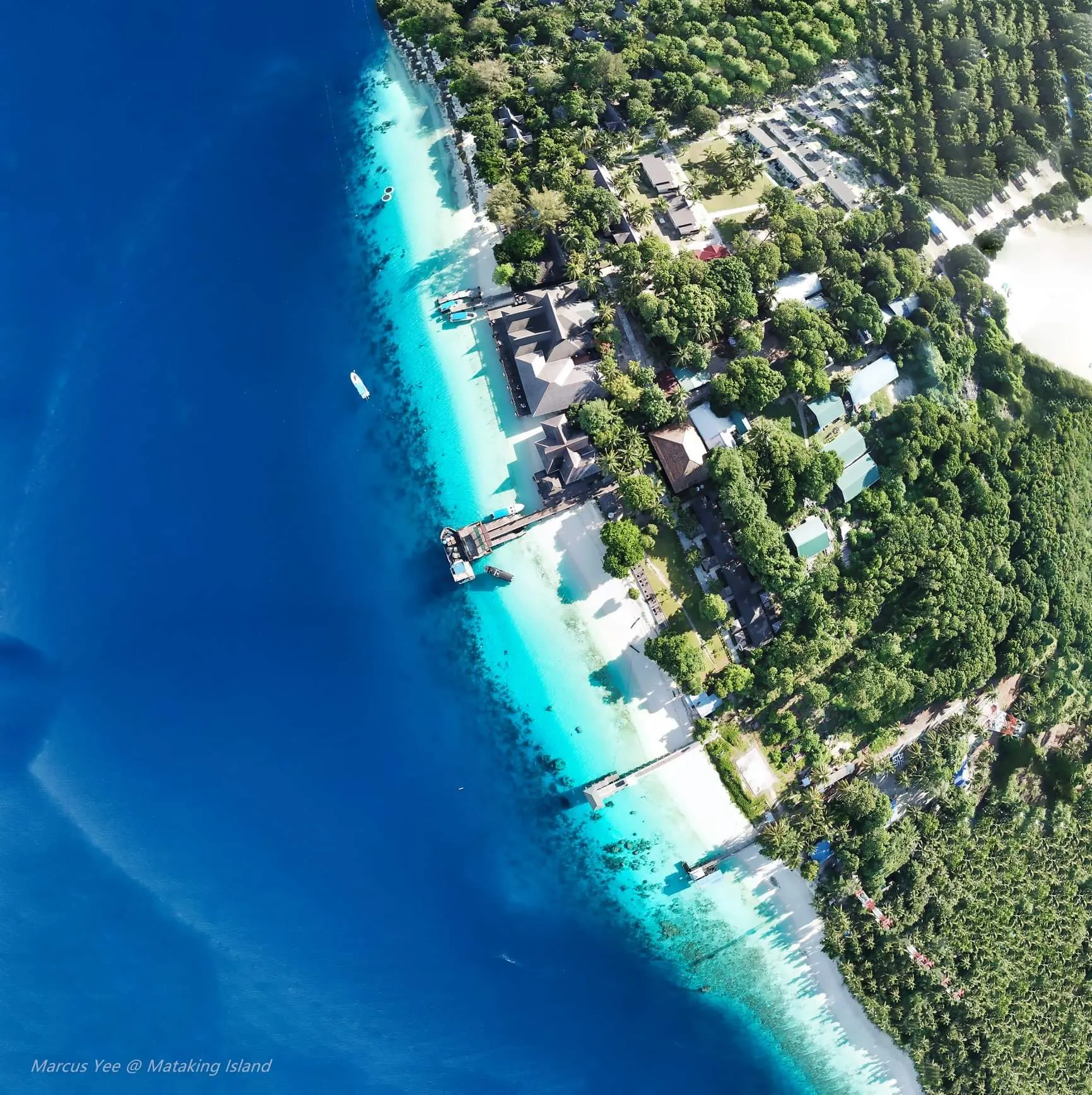
Sibuan Island looks exactly like the picture of a perfect tropical paradise. With its untouched powder-white sandbar, swaying coconut trees, and crystal-clear turquoise water, it is widely regarded as one of the most beautiful islands in the Tun Sakaran Marine Park. The island’s shallow lagoon and calm conditions also make it ideal for easy snorkeling and relaxed island hopping, especially for leisure travelers and mixed-experience groups.
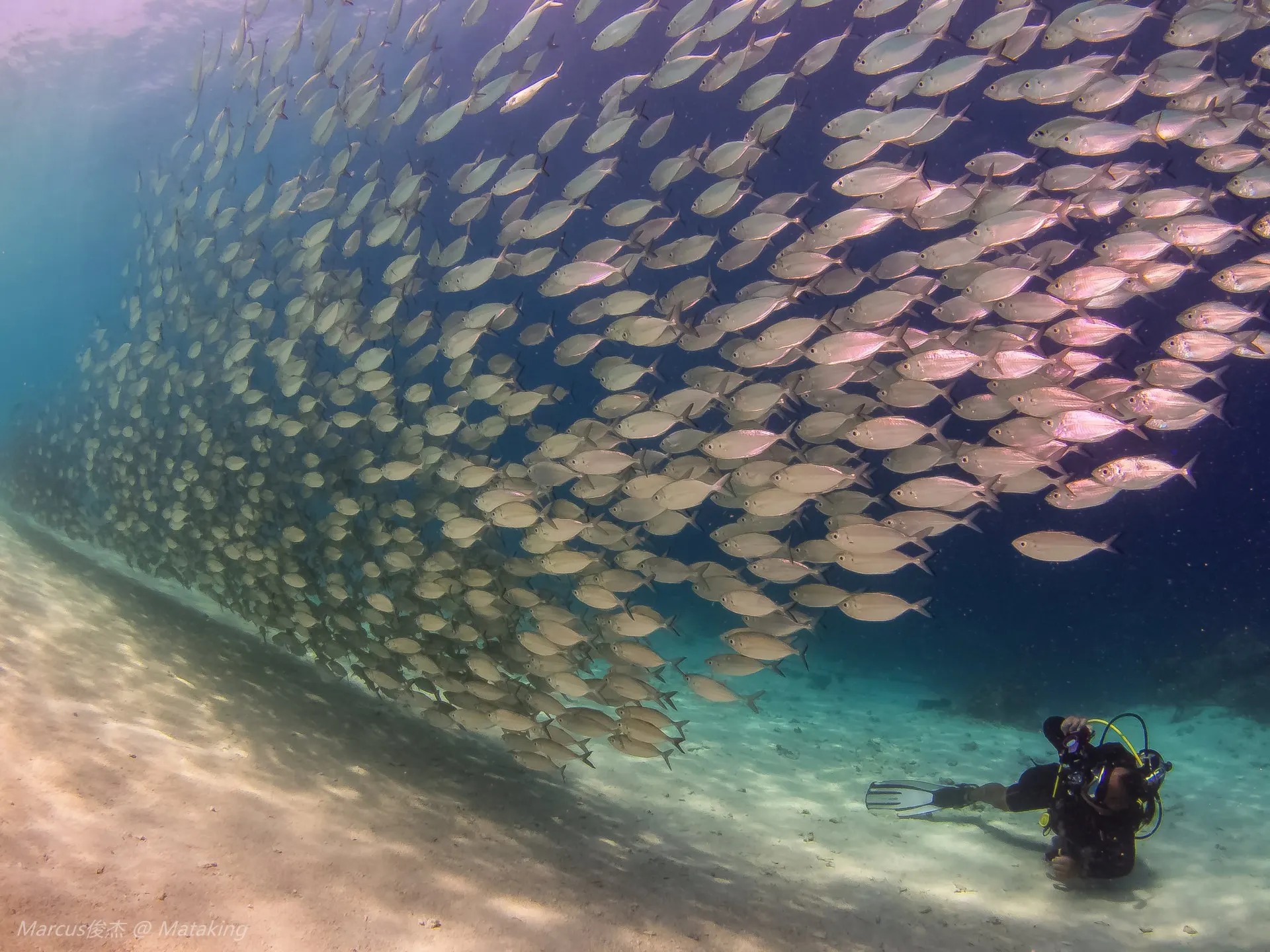
Beneath its postcard-perfect surface, Sibuan Island reveals a surprising underwater world. While the beaches feel serene and untouched, the surrounding sandy slopes are known for world-class muck diving, offering rare critter encounters such as frogfish and mandarin fish. This unique contrast between pristine island scenery and critter-rich dive sites makes Sibuan Island a rewarding destination for divers and non-divers alike, combining light diving, snorkeling, and scenic island exploration in a single, memorable experience.
Join TDB Semporna for professionally guided dives at Sibuan Island as part of a carefully planned Semporna diving itinerary. Enjoy Sibuan’s pristine sandbar, crystal-clear shallow waters, and unique muck diving sites known for rare macro marine life. Our team ensures safe dive planning, proper certification alignment, and responsible diving practices for a relaxed and rewarding underwater experience.
📍 Location & Accessibility
-
Distance from Semporna: ~35–45 minutes by speedboat.
-
Cluster: Part of the Tun Sakaran Marine Park (near Bohey Dulang & Mantabuan).
-
Topography: Small triangular island with a long sandbar and coconut forest.
-
Water Condition: Glassy, calm surface with a sloping sandy bottom.
-
Vibe: “Castaway” island meets “Critter Hunt.”
🧭 Why TDB Semporna Visits Sibuan Island
Sibuan is a favorite stop in our Semporna diving itinerary for two distinct reasons:
-
The “Surface Interval” from Heaven: There is no better place to relax between dives. We often park the boat here for lunch so guests can walk the sandbar and take photos with the Sea Gypsies (Bajau Laut) who frequent the island.
-
The “Muck” Surprise: While beginners enjoy the shallow reefs, experienced divers love Sibuan for its hidden macro life. It delivers Mabul-style critter hunting without the crowds.
📅 Best Time to Dive Sibuan Island
Sibuan is an all-weather destination, but your experience changes depending on the season:
-
April to September (Dry Season): This is the “Postcard Perfect” window. The skies are blue and the ocean is flat, making the famous white sandbar look its absolute best. Underwater visibility is high (15m–20m), making it ideal for beginners and wide-angle photography.
-
October to March (Monsoon Season): While rain showers are more common, diving is rarely cancelled. In fact, muck diving enthusiasts often prefer this time. The slightly cooler water can trigger more activity from critters like Nudibranchs and Frogfish, and the island is much quieter without the peak-season crowds.
-
Photography Tip: Try to be on the island around 11:00 AM – 1:00 PM. The high noon sun eliminates shadows on the water, turning the lagoon into that blindingly beautiful turquoise color you see in travel magazines.
🐠 Marine Life & Underwater Highlights
Sibuan is a “Macro” destination disguised as a paradise island.
-
The Rare Critters: The sandy slopes are home to camouflaged Frogfish (often black or yellow), Ghost Pipefish, and Cockatoo Waspfish.
-
Mandarin Fish: Like Kapalai, Sibuan has specific coral rubble areas where you can spot the colorful Mandarin Fish, usually near the drop-off.
-
Sand Dwellers: Look closely at the bottom for Stargazers, Flounders, and Snake Eels burying themselves in the sand.
-
The Shallows: The top reef (1m–5m) is filled with clouds of Blue-Green Chromis and Clownfish in their anemones, making it perfect for snorkelers.
🤿 Diving Conditions at Sibuan Island
Diving here is incredibly relaxing and accessible:
-
Topography: Gentle sandy slopes that eventually drop off into deeper channels.
-
Depth: Mostly shallow (5m–18m).
-
Current: Very mild, as the island’s shape creates a natural shelter.
-
Visibility: 10m–20m, sometimes slightly silty on the slopes, which is ideal for critter life.
🎓 Courses & Experience Level at Sibuan
Sibuan is arguably the best training ground in the entire Marine Park.
-
PADI Open Water Diver: The shallow, sandy lagoon acts as a “natural swimming pool.” It is the perfect environment for practicing mask clearing and regulator recovery skills in chest-deep, clear water.
-
Discover Scuba Diving (DSD): First-timers love Sibuan because they can walk into the water from the beach and see fish immediately.
-
Photography: The mix of white sand (for light) and rare subjects makes it a great spot for macro photographers to practice their lighting techniques.
✅ Summary: Is Sibuan Island Worth Diving?
✅ Most Beautiful “Postcard” Beach in Semporna
✅ Hidden Gem for Muck Diving (Frogfish & Mandarin Fish)
✅ Safest, Calmest Water for Beginners
✅ Perfect Lunch Spot & Photo Op
If you want a day that offers National Geographic–style underwater critters combined with Condé Nast Traveler–worthy beach scenery, Sibuan Island is the perfect choice. It is an ideal finale to any Tun Sakaran island hopping itinerary.
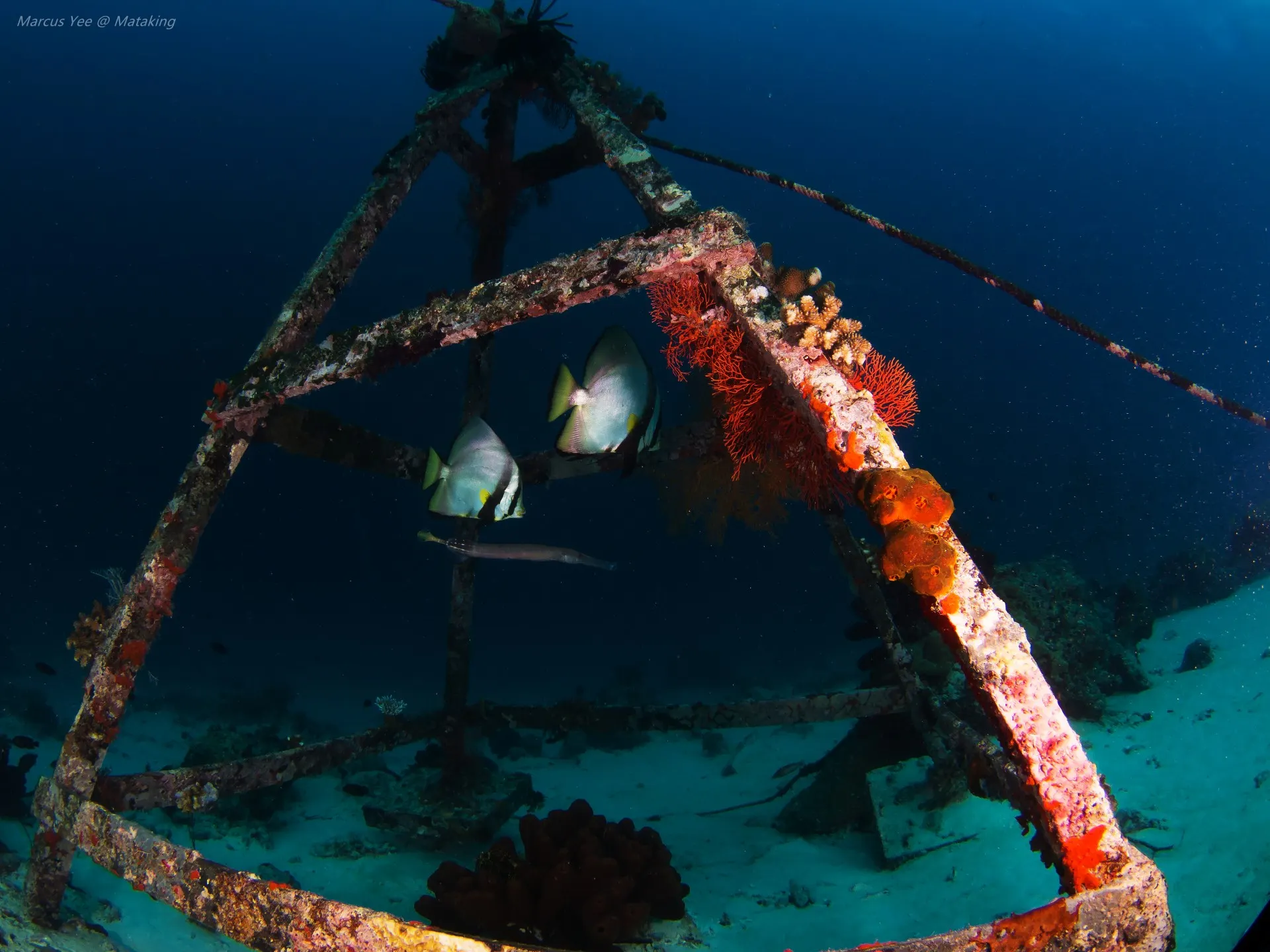
🌍 Famous Dive Sites at Sibuan Island
The famous long sandbar is most visible and beautiful at Low Tide. At High Tide, the water comes up to the tree line. Our guides usually try to time the lunch break or surface interval to coincide with the tide so you can walk out onto the sandbar for photos.
You do not need a “Sipadan Permit” (which is limited and expensive). You only need the Tun Sakaran Marine Park conservation fee, which is affordable and usually included in your TDB diving package. This makes Sibuan a hassle-free, guaranteed diving option
Think of Sibuan as “Mabul Lite” with a better beach. Mabul has more density of macro life, but Sibuan has much clearer water and a stunning white sandbar. If you want muck diving and a beautiful beach photo in the same hour, Sibuan wins.
Yes. While Kapalai is famous for them, Sibuan also has a healthy population of Mandarin Fish in the coral rubble areas (specifically “Mandarin Bay”). They are shy and usually appear at dusk. If you want to see them, let your dive guide know so they can focus on the rubble zones.
Sibuan Island is home to a community of Bajau Laut (Sea Gypsies), a traditionally nomadic people who live in houseboats or simple stilt huts around the island and are widely known for their exceptional free-diving abilities. While they are generally friendly and may welcome photos, guests are encouraged to remain respectful and always follow their guide’s instructions regarding appropriate interaction.
It is widely regarded as the best training site in Semporna, with crystal-clear, calm, and shallow waters that are often only chest-deep, creating a natural open-water swimming pool ideal for practicing essential skills such as mask clearing without the pressure of depth or currents.
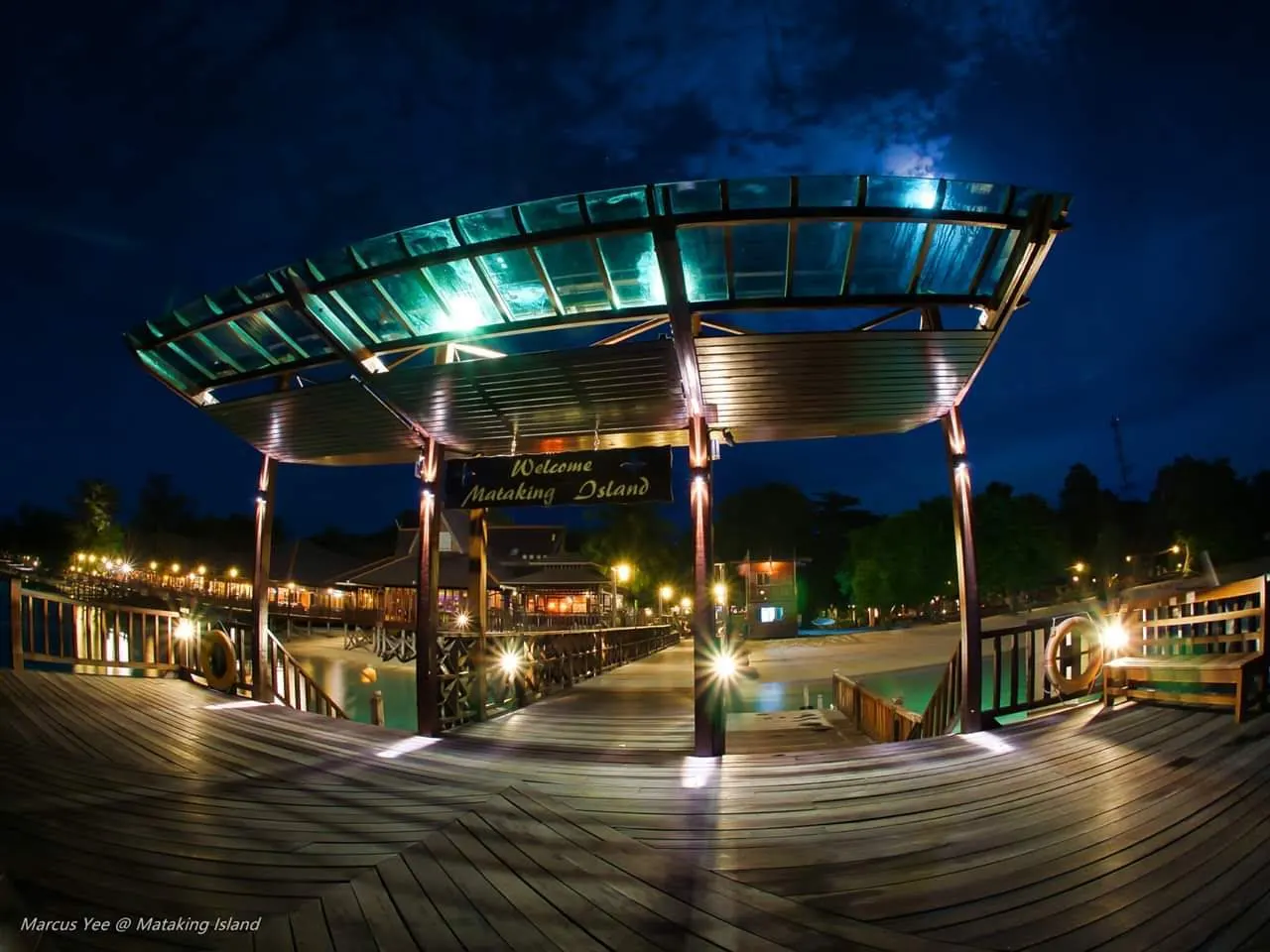
Sibuan Island is a protected island within the Tun Sakaran Marine Park, with no hotels, resorts, or restaurants on the island and only very basic facilities such as a ranger station or occasional military outpost. TDB Semporna operates day trips to Sibuan and provides packed lunches and drinks, ensuring guests can enjoy the island comfortably without worrying about meals.
Muck diving refers to exploring sandy or silty seabeds rather than colorful coral walls, and while it may sound unappealing at first, these environments are home to some of the rarest and most unusual marine life. At Sibuan Island, divers carefully scan the sand and rubble to spot expert camouflage specialists, turning every dive into an underwater treasure hunt, especially rewarding for underwater photographers.
No, this is a common misconception. While the beach is well known, Sibuan Island is actually a world-class muck diving destination. Divers visit Sibuan specifically to search for rare macro critters such as frogfish, ghost pipefish, and colorful nudibranchs along its sandy slopes, offering a unique balance of tropical paradise scenery above the surface and critter hunting below.